
Episode 0081 / The archive
A.I.’s Hidden Effect On Our Mental Health
In this episode of The Philippe Soriano Podcast, Philippe Soriano sits down with Steph Naval, Founder and CEO of Empath, to explore how artificial intelligence is changing the way people seek mental health advice, build relationships, and process emotions. They discuss AI dependency, self diagnosis, human oversight, critical thinking, younger generations, and how to keep technology in balance with genuine human connection.
Back to podcast archive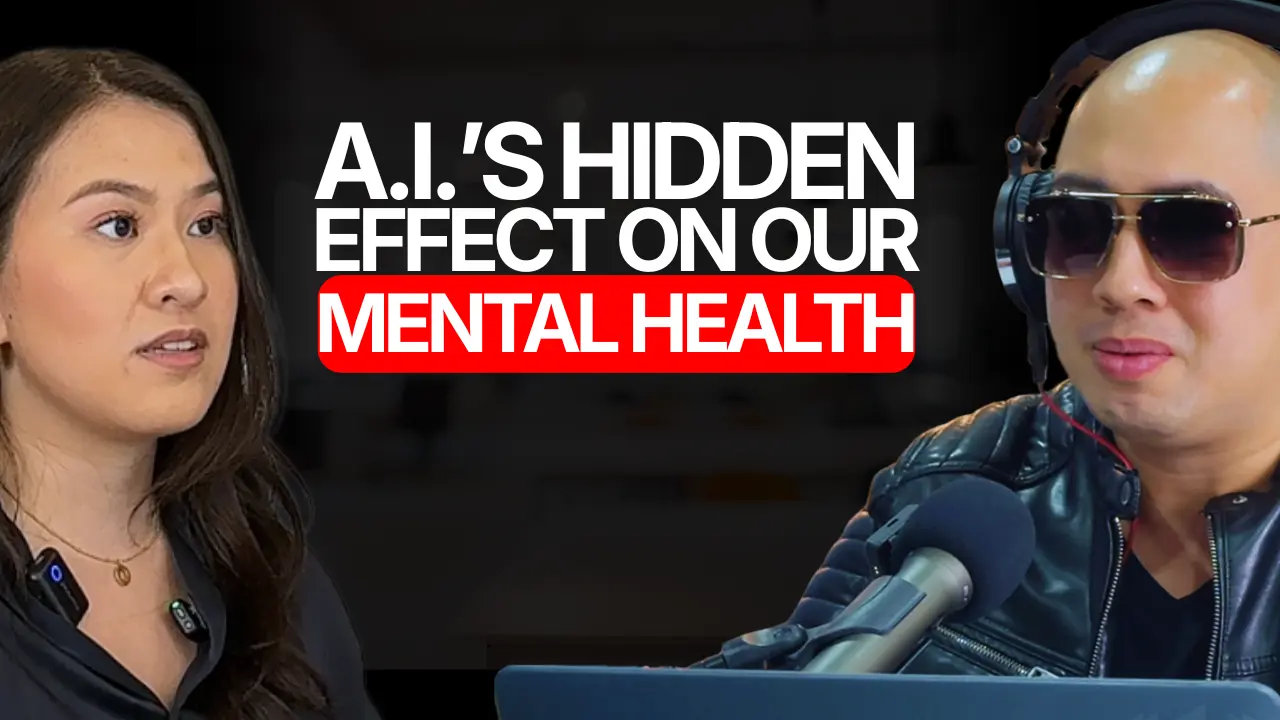
Jump into the conversation
Follow
the thread.
Choose a chapter to jump to that moment in the player below.
Loading player controls…A quick read
What to
remember.
Five practical ideas from the conversation, distilled for a fast first pass before you go deeper into the episode.
AI is a tool, not a therapist
The conversation distinguishes between using AI for support and treating it as a replacement for qualified mental health professionals.
Watch for dependency
Warning signs include trusting AI more than human experts, relying on it for basic communication, and losing confidence in critical thinking.
Human review still matters
Steph explains why human oversight, accountability, and expert review remain important even when AI improves speed and productivity.
Protect emotional regulation
The episode considers how constant digital stimulation can make it harder to sit with difficult feelings, silence, and real world situations.
Make room for human connection
Healthy technology use includes replacement activities such as socialization, reading, sports, and other low technology or no technology experiences.
The host
Philippe
Soriano.
A digital strategist, communications advisor, and a podcast host with over two decades of experience shaped by innovation, leadership, and advocacy. Today, Philippe uses his platform to give voice to the most important conversations shaping the Philippines, exploring social issues, economic developments, and the collective path towards a first world Philippines.
More about Philippe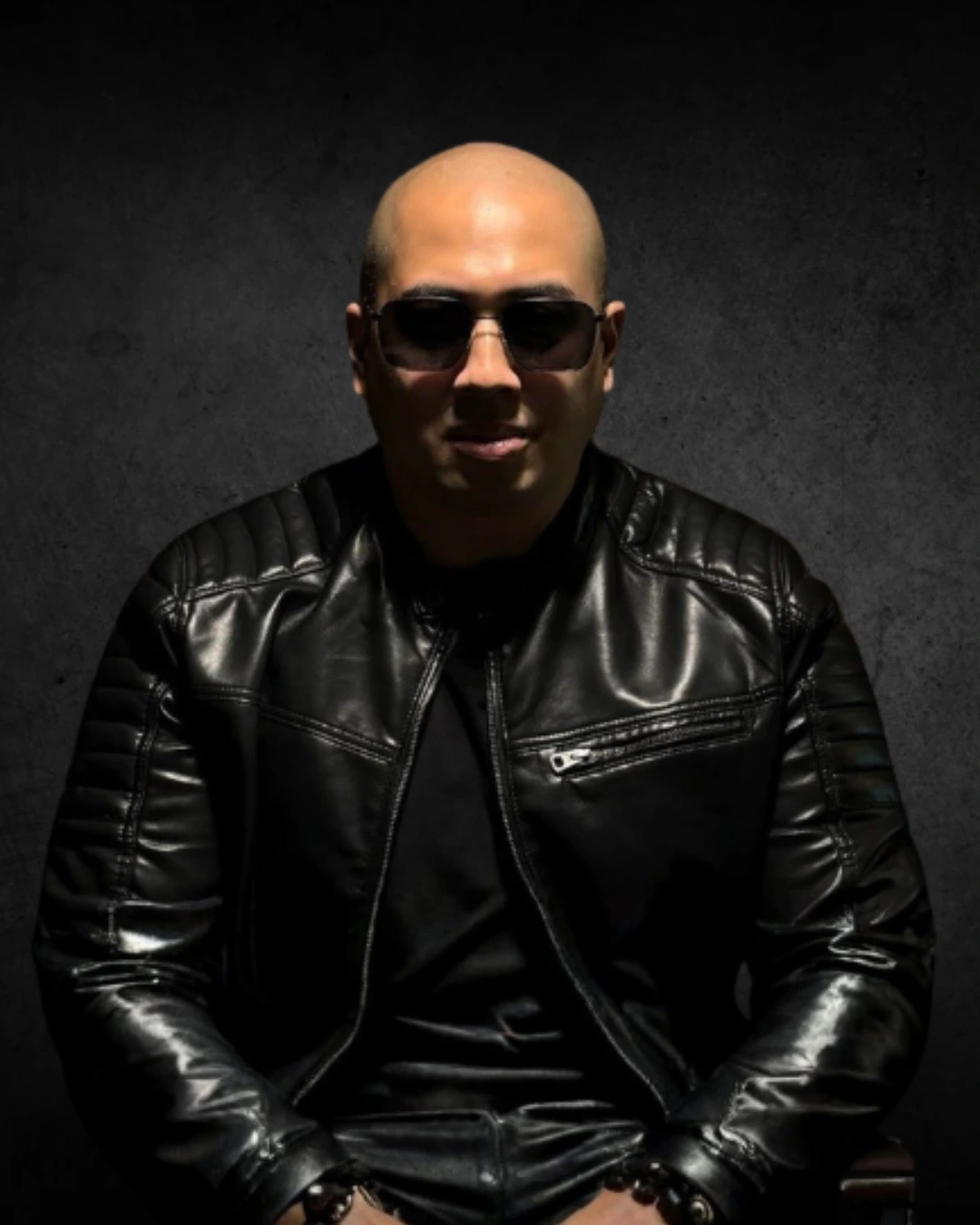
The guest
Steph Naval
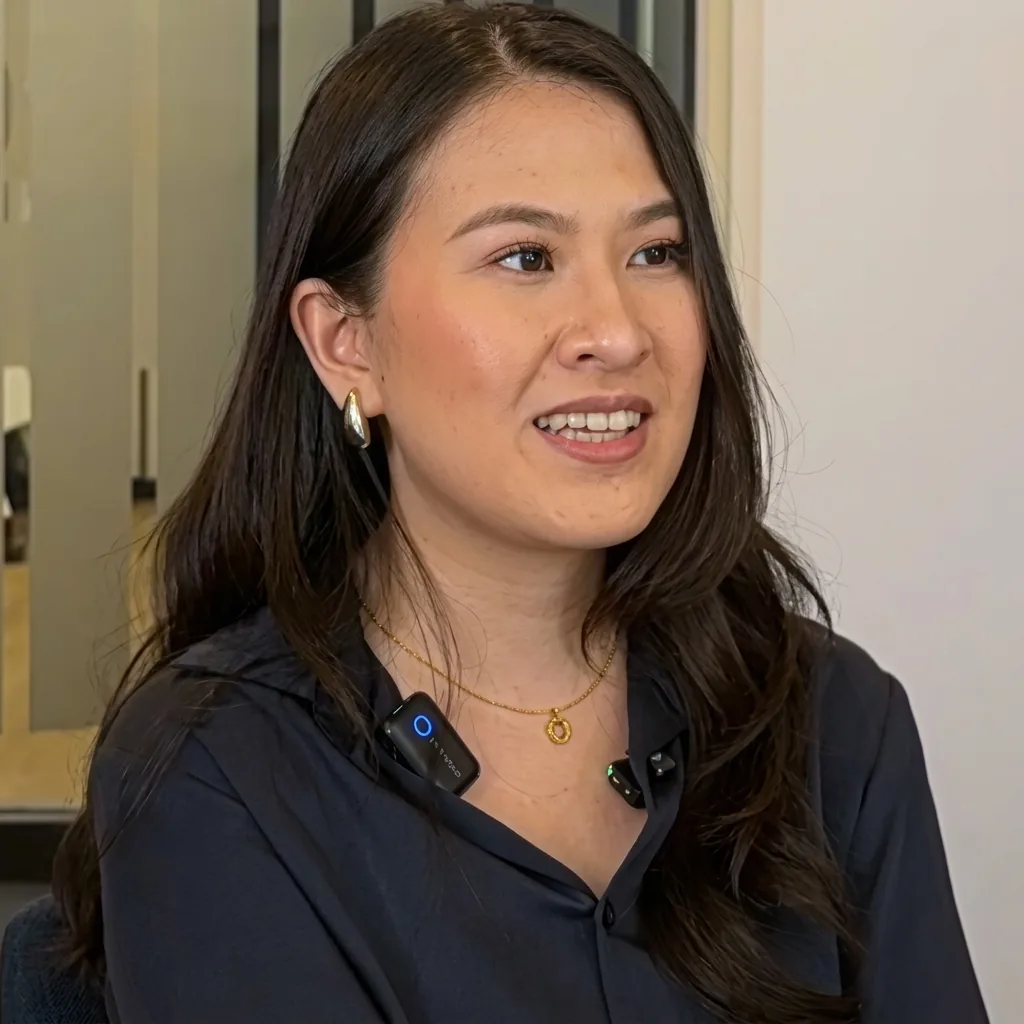
Steph Naval is a Filipino entrepreneur, social impact advocate, and the Founder and Chief Executive Officer of Empath, a mental health social enterprise focused on making quality mental healthcare more accessible to Filipinos. Through Empath, she has worked to bring mental health services and education to workplaces, schools, and nonprofit organizations.
Naval’s work in mental health is deeply connected to her own experiences. She began experiencing mental health struggles at the age of 14 and spent years navigating the mental healthcare system in the Philippines. Her experiences with the challenges and accessibility gaps in mental healthcare eventually inspired her to build a platform that could make professional support easier to access.
She founded Empath at the age of 23, initially developing the idea as a social enterprise focused on addressing gaps in mental healthcare. After presenting the concept through the United Nations Global Impact Challenge and reaching the finalist stage, she continued developing the organization and formally incorporated Empath in 2020. The organization now provides services that include counseling, psychotherapy, psychiatric consultations, psychological first aid, crisis response, and mental health education.
Naval has a background in Legal Management from Ateneo de Manila University, with minors in Development Management and Literature. She has also pursued software engineering and psychology training, bringing together business, technology, and mental health perspectives in her work. Her professional background also includes leadership and development roles with organizations such as TEDxADMU, Ateneo CODE, TUGON Ateneo, and Ateneo Lex.
Beyond building Empath, Naval has been involved in youth leadership, social impact, and community initiatives. She has served as a Global Shapers Community member and previously held leadership roles with the World Youth Alliance. She has also been recognized through the UN Women WEPs Awards under Youth Leadership, named a Gen.T Asia honouree by Tatler Asia, and recognized as a finalist for the Ayala Enterprise Circle Best in Business Breakthrough.
In 2026, Naval was named to the Forbes 30 Under 30 Asia list under the Social Impact category, recognizing her work through Empath and its efforts to improve access to mental healthcare in the Philippines.
Today, Steph Naval continues to advocate for a more accessible and inclusive approach to mental health. Through Empath and her work as a young social entrepreneur, she brings together technology, leadership, and lived experience to help create meaningful change in how Filipinos understand and access mental healthcare.
The full conversation
Listen
closely.
A readable record of the conversation, when a transcript is available for this episode.
A lot of people are using ChatGPT, Claude, or even Gemini for mental health advice or to be able to even self-diagnose. One, it's because it's very easily accessible. Relatively low cost because they're probably on premium or sometimes it's on a free plan. AI can even cause hallucinations. Not just for the AI, but for the person themselves. It's starting to be a concern and also in this space, we're also talking about it. When there's also a high dependency on it.
Today's guest is Steph Naval, founder and CEO of Empath. She brings together psychology, mental health, and technology, building innovative solutions that make mental wellness more accessible to Filipinos. Through her work, Steph is helping break the stigma around mental health while empowering more people to seek the support they need.
What are the implications of someone being too dependent or with, let's say, ChatGPT?
Right now, what they're starting to see with dependency is if you're compromising basic skills. So, for example, when it comes to communication, you can't communicate or socialize properly without consulting AI. Another one is also even critical thinking skills. These are shown to diminish definitely awareness on AI and what it does to well-being is very important that a lot of people need to be aware about.
I'm glad that you made it all the way from Alabang ba.
The conversation continues
Join the
next episode.
Have a story, expertise, or question worth sharing? Add your voice to the conversation.
Join podcast